How Much Does Headlight Housing Replacement Cost?
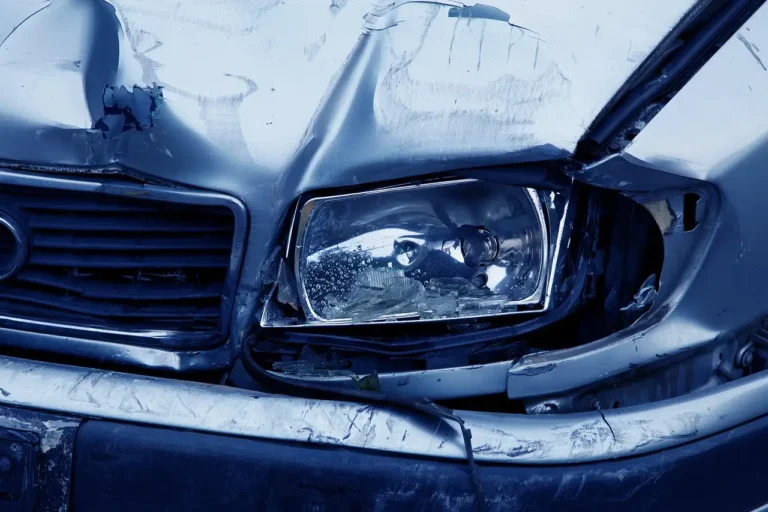
Headlight housing replacement often costs about $150 to $800 per side, while sealed LED or HID assemblies can cost roughly $400 to $1,500 or more because the housing, lens, and electronics are replaced together. Ignore cracks, broken tabs, or moisture, and you can end up with dim output, corrosion, warning lights, or failed inspection. This guide breaks down parts, labor, and when you can replace the housing alone versus the full assembly.
Headlight housing costs at a glance
The estimate usually includes the part, labor, and any extra work needed to reach the lamp. That may mean removing a bumper cover or grille, checking wiring, aiming the beam, or correcting moisture-related damage before the new unit goes in.
Vehicle design changes the repair path fast. A halogen setup with a serviceable bulb can be straightforward, while many LED and HID units use integrated parts that push the job toward full assembly replacement.
Headlight cost matrix by repair type
This matrix separates the common repair paths that drivers often mix together. Use it to compare the part being replaced, the labor involved, and the fault that usually points to that repair.
| Repair path | Typical parts range | Labor complexity | Common failure signs |
|---|---|---|---|
| Bulb only | Lowest | Low on many halogen cars; higher on cramped layouts | One lamp is out, dim, or color-shifted |
| Lens / cover only | Low to moderate, when sold separately | Moderate if the lens is bonded or sealed | Cracked outer lens, clouding, chips, or leak paths |
| Housing only | Moderate | Moderate to high if tabs, mounts, or access points are damaged | Broken mounting tabs, warped shell, water intrusion, connector issues |
| Full assembly | Highest | High on sealed LED or HID units, or when calibration is needed | Integrated electronics failure, sealed unit damage, repeated leaks, multiple failed parts |
The key decision is simple: if the vehicle allows the failed part to be changed separately, the bill stays lower. If the lamp is sealed or integrated, the price often moves to a full assembly because the housing, lens, reflector or projector, and light source come as one unit.
When is housing-only replacement enough?
Housing-only replacement is enough when the outer shell is damaged but the rest of the lamp still works and the design allows individual replacement. If the lens is clear, the reflector or projector is intact, and the electrical connectors are sound, a housing swap can be the smart repair.
Cracked housings and broken mounting tabs
Cracks and broken tabs are the most common reasons to replace only the housing. If the lamp still accepts the bulb or internal module, but the mount no longer holds the unit solidly in place, the housing can usually be the failed part.
A loose housing can create vibration, poor beam aim, and water entry. That matters because a lamp that shifts in its opening can fail inspection even if it still turns on.
Water intrusion, haze, and heat damage
Moisture inside the lamp often points to a bad seal, cracked shell, or damaged lens interface. Haze and heat damage can also follow a long-running bulb issue, especially on older halogen units where heat exposure can warp plastic around the socket or reflector area.
If the water has reached the terminals or internal electronics, the repair may no longer be housing-only. Corrosion can move the job toward a full assembly if the internal parts are not sold separately.
Connector damage and fit problems
Broken connectors, stretched pins, or damaged wiring pigtails can change the plan. A new housing will not fix a poor connection unless the electrical fault is corrected at the same time.
Fit matters too. OEM parts often cost more but match factory dimensions closely, while aftermarket parts are usually cheaper but can vary in alignment and seal quality. That variation can matter if the replacement needs to line up with the bumper, grille, or fender on a tight front-end design.
How much do lens, cover, bulb, and assembly repairs cost?
These four repair paths are priced differently, and they are not interchangeable. Bulb replacement is cheaper than headlight assembly replacement, while lens or cover replacement only makes sense when the vehicle allows those parts to be changed on their own.
Headlight lens replacement cost
How much does headlight lens replacement cost? If the lens is sold separately, it is usually cheaper than replacing the whole lamp, but labor can rise if the lens is bonded or sealed to the housing. Many drivers use “lens” and “cover” to mean the outer clear piece, but the exact part name depends on the manufacturer and catalog.
When the lens is badly hazed, chipped, or cracked, the real question is whether the lens alone is available. If not, the quote may shift to a housing or full assembly price instead.
Headlight cover replacement cost
How much does a headlight cover replacement cost? In practical terms, a cover is often the same outer clear piece that protects the lamp internals. If the cover is separate from the housing, the bill can stay lower; if it is molded into a sealed unit, the repair usually becomes a full assembly replacement.
That difference is why two quotes that sound similar can land far apart. One may cover only the outer shell, while the other includes the whole lamp and the labor to remove the front trim that blocks access.
Headlight bulb replacement cost
How much does headlight bulb replacement cost? Bulb-only service is usually the cheapest path, and halogen bulbs are commonly the least expensive replacement type. On many older or basic vehicles, the bulb can be changed without replacing the housing at all.
LED and HID lights cost more because they are advanced and last longer. Some of those units use an integrated driver or ballast path, so the quote can grow beyond the bulb itself if the electrical side fails.
Headlight assembly replacement cost
How much does a headlight assembly replacement cost? A full assembly is often the highest-cost repair path because it replaces the housing, lens, reflector or projector, and light source together. That price climbs further when the unit is sealed, hard to access, or tied into vehicle electronics that need diagnosis or calibration.
For many modern cars, this is the only honest quote if the lamp is not serviceable in pieces. A shop may replace the complete unit rather than chase a non-serviceable internal failure part by part.
Why do LED and HID headlight systems cost more?
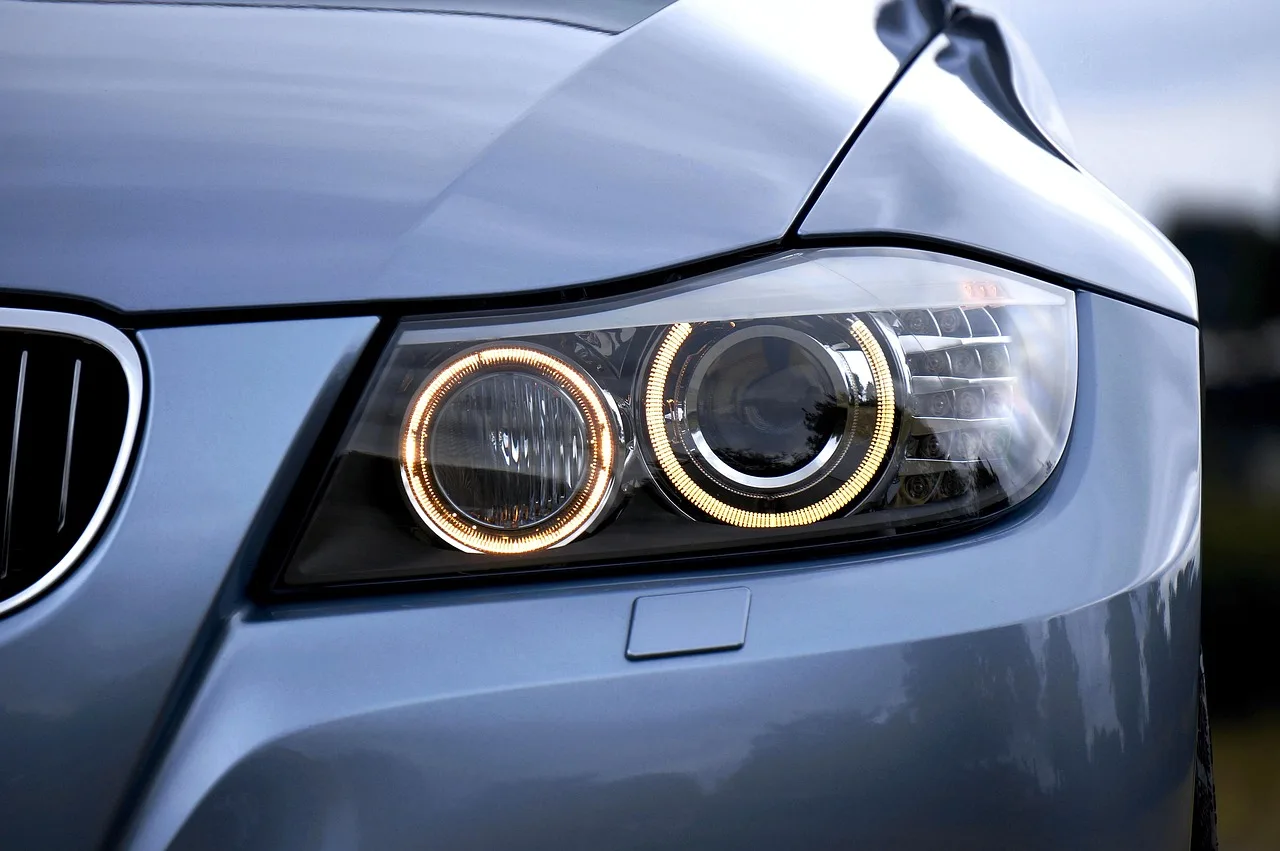
LED and HID systems usually cost more because the parts are more complex and the unit design is often more integrated. That often means a higher part price, more diagnostic time, and more labor when the lamp is buried behind body panels.
Halogen headlight systems
Halogen headlight systems are the lowest-cost common replacement category. They are common on older and basic vehicles, and the repair can be as simple as a bulb swap when the housing and connectors are still healthy.
If the housing is cracked or the tabs are broken, the price rises because the repair is no longer just a bulb. The lamp still may be simple to service, but only if the shell and mounts are replaceable on their own.
HID headlight systems
HID headlight systems usually cost more than halogen because the bulb and ballast components add complexity. A failed ballast, igniter, or connector issue can lead to extra electrical diagnosis before any part is replaced.
On some vehicles, the lamp comes apart into separate service pieces. On others, the assembly is the practical repair because the internal parts are not meant to be changed one by one.
LED headlight systems
LED systems often cost the most because the lamp is frequently sealed or integrated, with the control module or driver built into the unit. When that happens, a small failure can still force a larger replacement.
That is why LED repairs often look expensive on paper. The part is not just a bulb or a shell; it may be a complete lighting module that also needs aiming or calibration after installation.
Picture a modern SUV with a left LED lamp that flickers and sets a dash warning. If the driver module is part of the sealed unit, a housing-only quote will not solve the fault, and the repair can move to a full assembly with calibration on the back end.
OEM vs aftermarket headlight assemblies
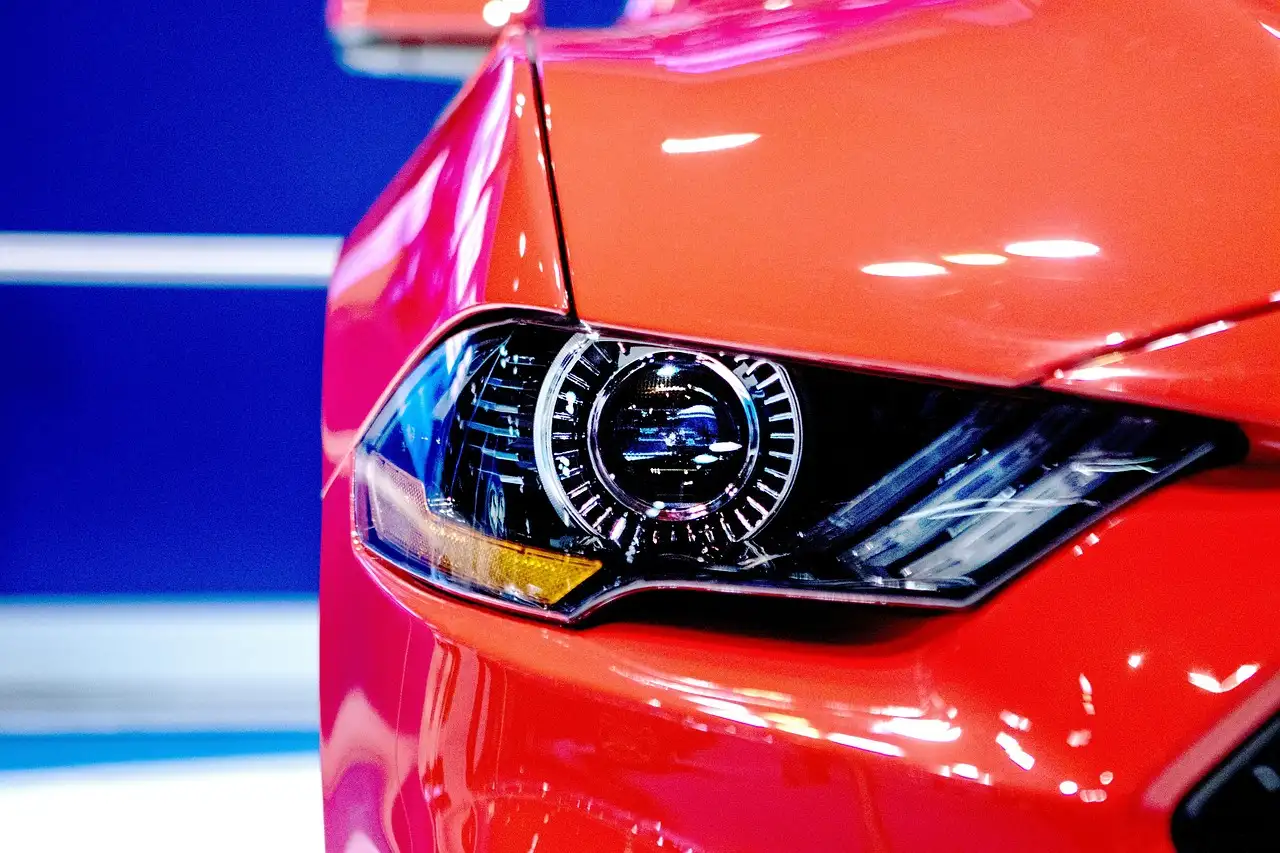
OEM and aftermarket choices can both be valid, but they solve different problems. OEM parts usually cost more but fit perfectly, while aftermarket parts are usually cheaper but may vary in quality. The right choice depends on fit consistency, budget, and how much adjustment the vehicle will need.
Fit, finish, and compatibility
OEM assemblies are built to factory specification, so they are the safer pick when precise mounting and beam pattern matter. Aftermarket assemblies can fit well, but quality varies by manufacturer, and small differences in tabs, seals, or aiming points can create extra work.
Compatibility also depends on bulb type and electronics. A housing that looks correct on the outside may still miss the correct connector, module mount, or aiming hardware for the vehicle.
Price tradeoffs to check on the quote
Before approving a quote, check whether the line item is for the housing only, the full assembly, or a lamp plus ballast or driver. Labor can raise the total bill, and a cheap part quote can turn expensive once removal, wiring diagnosis, and aiming are added.
Ask whether the price includes alignment or calibration after replacement. That step may be needed on some modern vehicles for safety and glare control.
-
Confirm the exact failed part.
Check whether the problem is the bulb, lens, housing, or full assembly. A cracked shell with a working light points one way; a dead LED module points another. -
Look for access barriers.
See whether the shop must remove a bumper cover, grille, or trim panel to reach the lamp. That labor can change a low part price into a much larger total. -
Ask about calibration needs.
Find out whether the vehicle requires beam aiming, module programming, or other setup after installation. If the answer is yes, that work should be listed before approval. -
Compare OEM and aftermarket lines.
Request both prices if available, then compare fit notes, warranty terms, and any warning about quality variation. The cheaper assembly is not always the cheaper repair if it needs extra adjustment.
A common first-timer mistake is treating a foggy lens and a broken housing as the same job. Suppose the outer cover is cloudy on both sides, but only the right housing has a broken lower tab; in that case, the left side may need only lens attention, while the right side may need the housing or the full assembly.
Frequently asked questions
How much does headlight lens replacement cost?
If the lens is available as a separate part, the cost is usually lower than a full assembly replacement. The final number depends on whether the lens is bonded, whether the seal must be replaced, and how much labor it takes to remove the lamp from the front of the vehicle.
How much does a headlight assembly replacement cost?
A full headlight assembly replacement is usually the most expensive path because it includes the housing, lens, reflector or projector, and light source. Modern LED and HID units often push the price higher because the electronics are part of the same unit.
How much does a headlight cover replacement cost?
A headlight cover replacement can be modest if the cover is sold separately, but many vehicles do not allow that part to be swapped on its own. If the cover is integrated into a sealed lamp, the job often becomes a housing or full assembly replacement instead.
How much does headlight bulb replacement cost?
Bulb replacement is usually the cheapest headlight repair, especially on halogen systems. HID and LED-related bulb or module replacement can cost more because the lamp may include a ballast, driver, or integrated electronics that need diagnosis before the part is changed.
Is it cheaper to replace just the housing or the whole headlight assembly?
Housing-only replacement is cheaper when the vehicle allows it and the lens, reflector, and electronics are still usable. If the lamp is sealed, badly damaged, or tied to failed internal electronics, the whole assembly may be the smarter repair even though it costs more up front.
Can I replace a headlight housing myself?
Some housings can be replaced at home if access is easy and no calibration is needed. If the job requires bumper removal, wiring diagnosis, or beam aiming, a shop is often the safer choice because a misaligned lamp can create glare and poor nighttime visibility.