
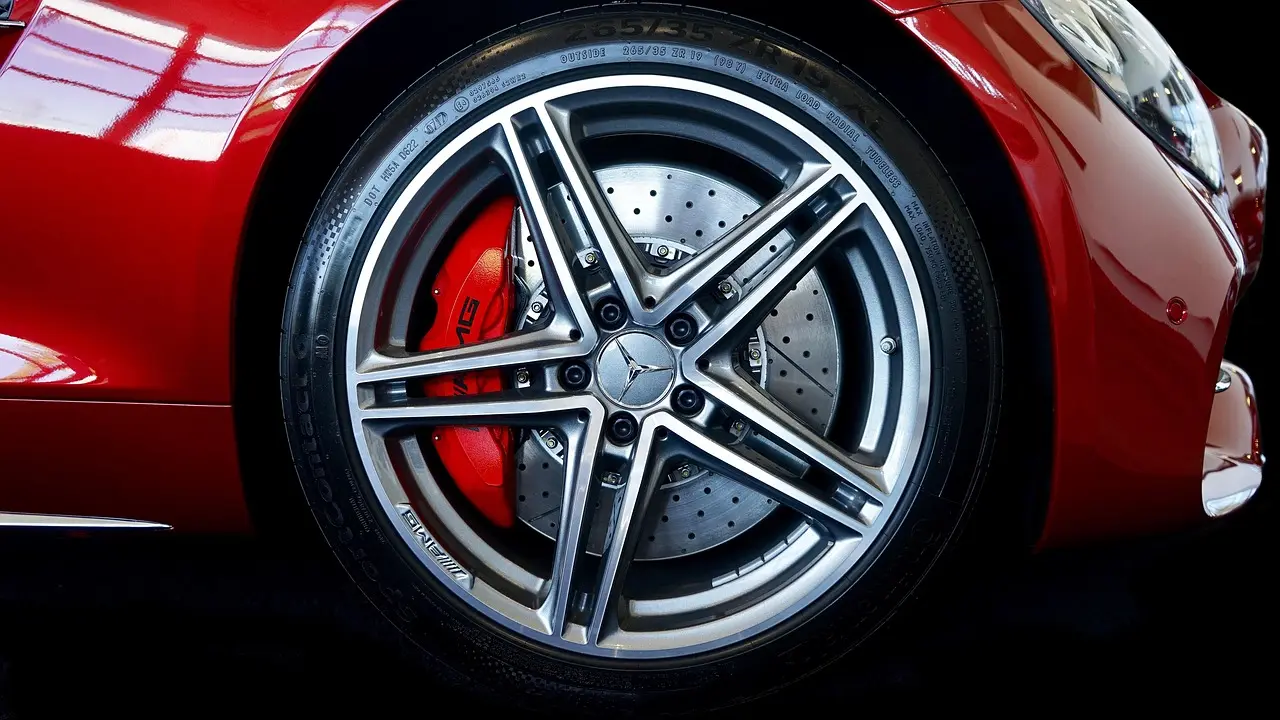
What Are the Pros and Cons of Alloy Wheels on a Car?
Alloy wheels usually sharpen steering response, reduce unsprung weight, and improve appearance, while steel wheels are tougher, cheaper, and often the better pick for winter or rough use. Choose wrong, and you may pay more for curb damage, bent rims, or extra winter hassle without much day-to-day gain. This guide weighs commuting, towing, winter driving, and bad roads so you can choose the right wheel type.
Alloy wheels vs steel wheels
Cost, weight, and repairability
Alloy wheels are typically made from an aluminum or magnesium blend, while steel wheels are crafted from stamped and welded steel. Alloy wheels are often lighter than steel wheels, though OEM steel and alloy wheel weights can overlap, and that lower mass can help the car feel quicker to turn, stop, and accelerate.
Steel wheels are much cheaper to produce. They are also simpler when damage happens: if a steel wheel bends, it may be repairable, while an alloy wheel may need straightening, refinishing, or replacement.
Heat control and brake fade
Alloy wheels help keep brakes cooler under heavy use. Better heat dissipation can reduce brake fade during repeated hard stops, long downhill descents, or towing. That benefit matters far more on loaded vehicles than on a light commuter car in short city trips.
Appearance and finish choices
Alloy wheels can change the car’s look right away. They also come in more spoke patterns, face finishes, and edge shapes than steel wheels, which is one reason buyers notice them so quickly. The visual gain is real, but it is a cosmetic gain unless the use case also needs the weight or heat benefits.
Fitment basics: bolt pattern, offset, center bore, and load rating
Before buying any wheel, check the bolt pattern, offset, center bore, wheel load rating, and tire-size compatibility. A wheel can look right and still be unsafe or incompatible if the hub and suspension geometry do not line up.
-
Match the bolt pattern.
The wheel must match the vehicle’s hub bolt pattern exactly. A wrong pattern will not mount correctly, and forcing fitment is unsafe.
-
Confirm offset and clearance.
Offset controls how far the wheel sits inboard or outboard. Wrong offset can cause rubbing on suspension parts, fenders, or brake components.
-
Check the center bore.
The center bore must align with the hub, or you need hub-centric rings. This keeps the wheel centered and reduces vibration.
-
Verify the load rating.
The wheel must carry the vehicle’s actual load, especially on family cars, trucks, vans, and towing setups. A light-duty wheel on a heavy vehicle is a poor trade.
-
Match tire size correctly.
Wheel diameter, width, and tire sidewall need to work together. A bad match can hurt ride quality, speedometer accuracy, and clearance.
What are the pros of alloy wheels?
Alloy wheels are usually lighter, so they reduce unsprung mass and can make steering, braking, and acceleration feel sharper. They also shed heat better under load, and they offer far more style choices. For a commuter or family car, those gains are most noticeable when the wheel package is well matched to the vehicle.
Lower unsprung mass and response
Unsprung mass is the part of the car not supported by the springs. Lowering it can help the suspension follow bumps more cleanly, which can improve handling and braking response. The benefit is real, but it is usually subtle on normal commuting cars with modest tire and brake setups.
Heat dissipation and brake fade
Alloy wheels move heat away from the brakes better than steel wheels. That matters under repeated hard braking, mountain driving, and towing, where hot brakes can lose effectiveness. Heat dissipation reduces brake fade; on light-duty city driving, the difference is often too small to notice.
Design variety and finish options
Alloy wheels allow more design variety than steel wheels. That matters if you want a cleaner look, a darker finish, or a wheel face that fills the arches better. The visual appeal is immediate, but the decision should still start with use case, load rating, and fitment.
Cast alloy vs forged alloy
Cast alloy wheels are a common aftermarket option. They usually cost less than forged wheels, but they are generally not as strong for the same weight. Forged alloy wheels are a premium variant that are typically stronger and lighter, but the price rises fast, so the value makes the most sense on performance-focused or heavy-use vehicles. (Wikipedia)
What are the cons of alloy wheels?
Alloy wheels usually cost more to buy and replace, and they are more vulnerable to pothole, curb, and salt-related damage than steel wheels. When an alloy wheel bends or cracks, repair is less predictable. If you drive on broken pavement or salted roads, those trade-offs can matter more than the style gain.
Higher purchase and replacement cost
Steel wheels are much cheaper to produce, which is why they remain the budget choice. Alloy replacements, especially larger sizes, often cost more up front and more again if one wheel is damaged. That gap matters on a set of four, and it matters even more when a spare is needed.
Pothole, curb, and crack risk
Steel wheels are less likely to crack under impact. Alloy wheels can bend or crack from sharp potholes and hard curb strikes, especially when low-profile tires leave less sidewall to absorb the hit. A steel wheel often bends and may be repairable by a qualified shop; an alloy wheel may not be worth saving.
Say a vehicle uses 18-inch alloy wheels with low-profile tires and hits a deep pothole at city speed. If the rim lip is only bent, repair may be possible. If the barrel is cracked, replacement is usually the safer choice.
Road salt corrosion and finish wear
Alloy wheels can be susceptible to corrosion from road salt, but steel wheels can rust heavily in the same conditions. The relative risk depends on the finish, coating quality, and how often the wheels are cleaned in winter. Alloy finishes can pit, stain, or lift when salt and moisture stay on the surface, while steel can corrode aggressively if the coating is damaged.
Repair limits compared with steel
Steel wheels may sometimes be repairable when bent, but that is a job for a proper repair shop, not a casual DIY fix. With alloy, the safe answer depends on the location and severity of the damage, the wheel design, and whether a crack is present. If there is structural damage, replacement is usually the better call.
Alloy wheels decision matrix
This table ties the choice to daily use. Higher scores mean better value for that factor in that use case, on a 1 to 5 scale. The scores are relative rather than absolute, so they show which wheel type tends to fit each job better. The best wheel type changes with the job, not with the badge on the car.
| Use case | Wheel type | Cost | Repairability | Corrosion risk | Ride / handling | Appearance | Final recommendation |
|---|---|---|---|---|---|---|---|
| City commuting | Alloy | 3 | 2 | 3 | 4 | 5 | Choose alloy if you want a cleaner look and slightly sharper response. |
| City commuting | Steel | 5 | 5 | 3 | 3 | 2 | Choose steel if budget and curb damage matter more than styling. |
| Highway driving | Alloy | 3 | 2 | 3 | 4 | 5 | Choose alloy if you value steering feel and long-distance brake cooling. |
| Highway driving | Steel | 5 | 5 | 3 | 3 | 2 | Choose steel if you want a low-cost highway setup with easy repair. |
| Winter salt | Alloy | 2 | 2 | 2 | 4 | 5 | Choose alloy only with a strong finish and careful winter cleaning. |
| Winter salt | Steel | 5 | 5 | 4 | 3 | 2 | Choose steel for snow tires, salted roads, and lower repair anxiety. |
| Pothole-heavy roads | Alloy | 2 | 2 | 3 | 4 | 5 | Choose alloy only if the roads are tolerable and the tire sidewall is tall enough. |
| Pothole-heavy roads | Steel | 5 | 5 | 3 | 3 | 2 | Choose steel if impact resistance and cheap repair are the priority. |
| Towing | Alloy | 3 | 2 | 3 | 4 | 4 | Choose alloy if the wheel load rating is high and brake heat is a concern. |
| Towing | Steel | 5 | 5 | 3 | 3 | 2 | Choose steel for work use, trailer duty, and simpler ownership. |
| Budget ownership | Alloy | 2 | 2 | 3 | 4 | 5 | Choose alloy only if appearance matters enough to absorb higher cost. |
| Budget ownership | Steel | 5 | 5 | 3 | 3 | 2 | Choose steel for the lowest total cost and simplest repair path. |
Which wheel type fits your driving?
The answer depends on your driving conditions and goals. Alloy wheels make sense when the car benefits from lower weight, better brake cooling, and a cleaner look. Steel wheels make more sense when cost, winter use, rough roads, and repair ease matter more than appearance.
City commuting
For short trips, stop-and-go traffic, and parking-lot use, alloy benefits are modest. Lighter wheels can slightly improve fuel efficiency in city driving, but the gain is usually small. If you park close to curbs or fight rough streets, steel can be the calmer choice.
Highway driving
On long highway runs, alloy wheels can make the car feel more responsive, but brake-cooling benefits are usually limited because sustained hard braking is uncommon. The improvement is usually more about feel than savings. If the vehicle is a daily commuter with normal brakes, the practical gain may be limited.
Winter salt
Steel wheels are a popular choice for winter wheels because they are cheaper, simpler, and often less painful to replace if one takes a hit. Alloy wheels can work in winter, but the finish must be maintained, and road salt corrosion becomes part of the ownership cost.
Pothole-heavy roads
Steel is the safer bet on bad pavement. It is less likely to crack under impact, and if it bends, repair is often straightforward. Alloy can work if the tire has enough sidewall and the roads are only moderately rough, but sharp potholes change the math quickly.
Towing
For towing, load rating and heat control matter more than style. Alloy can help keep brakes cooler under heavy use, but only if the wheel is rated correctly for the vehicle and load. Many trucks and work vans do better on steel because the ownership pattern favors durability over looks.
Budget ownership
If the main goal is low total cost, steel is hard to beat. It is cheaper to buy, easier to repair, and more forgiving when a wheel is damaged by a pothole or winter road debris. Alloy is a premium choice, so the budget case has to justify the extra spend.
Choose alloy wheels or steel wheels
Choose alloy wheels if you want lower weight, sharper steering response, stronger appearance, and better heat control, and you are willing to pay more for purchase, repair, and winter care. Choose steel wheels if you want the lowest cost, easier repairs, and better tolerance for winter salt, potholes, or work use.
- Choose alloy wheels if: you drive mostly on smooth roads; you care about steering feel and brake cooling; you want a more polished look; and the wheel’s load rating, offset, and center bore all match the vehicle.
- Choose steel wheels if: you drive in snow, salt, or rough pavement; you want the cheapest repair path; you use the car for towing or work; or you want a winter wheel set with fewer worries.
How to check fitment before buying
Fitment problems can erase the value of any wheel choice. A wheel that looks right but misses the hub specs can rub, vibrate, or fail under load. Check the hardware first, then decide whether the style is worth the price.
-
Match bolt pattern.
Use the exact bolt pattern required by the vehicle. This is the first gate; everything else depends on it.
-
Confirm offset and width.
Make sure the wheel sits in the correct position inside the wheel well. Wrong offset can interfere with brakes, suspension, or fender clearance.
-
Verify center bore fit.
If the wheel bore is larger than the hub, use the correct hub-centric rings. That helps keep the wheel centered and reduces vibration.
-
Check the load rating.
This matters most for SUVs, trucks, vans, and towing vehicles. The wheel must support the real load, not just fit the opening.
-
Match tire sizing.
Confirm the tire size works with the wheel diameter and width. A mismatch can hurt ride quality and reduce clearance.
Suppose a family SUV is used for winter commuting and occasional trailer duty. A steel winter set with the correct load rating and a tall enough tire sidewall can be the safer, cheaper answer. The same vehicle on dry suburban roads may be a better candidate for alloys if appearance and steering feel matter more.
Frequently asked questions
What are the pros and cons of alloy wheels on a car?
Alloy wheels are lighter, cooler under hard braking, and more attractive than steel wheels, but they cost more and can be more fragile when a pothole or curb gets involved.
Why alloy wheels are better
Alloy wheels are better when you want lower unsprung mass, better brake cooling, and a more finished look.
Are alloy wheels good?
Yes, alloy wheels are good for many drivers, especially if the roads are smooth and the owner values steering response and style.
Does alloy wear off car wheels?
Alloy itself does not “wear off,” but the finish can wear, chip, stain, or corrode over time. Road salt, curb rash, and harsh cleaners are common causes. If the clear coat or paint fails, the wheel can look tired long before the metal itself is the problem.
Are alloy wheels better than steel wheels?
Alloy wheels are better for weight, appearance, and brake heat control. Steel wheels are better for cost, impact tolerance, and simple repair.
Do alloy wheels improve fuel efficiency?
They can slightly improve fuel efficiency in city driving because lighter wheels reduce the energy needed to move the car. The gain is usually small and easy to miss in real ownership. If fuel savings are the main goal, tire choice, maintenance, and driving style matter more.
What are the weaknesses of alloy wheels?
The main weaknesses are cost, damage risk, and winter corrosion. Alloy wheels can bend or crack where steel might only bend, and repairs are less straightforward.
What are the disadvantages of alloy wheels?
The disadvantages are higher purchase cost, less forgiving impact behavior, and a more expensive repair path after curb or pothole damage.