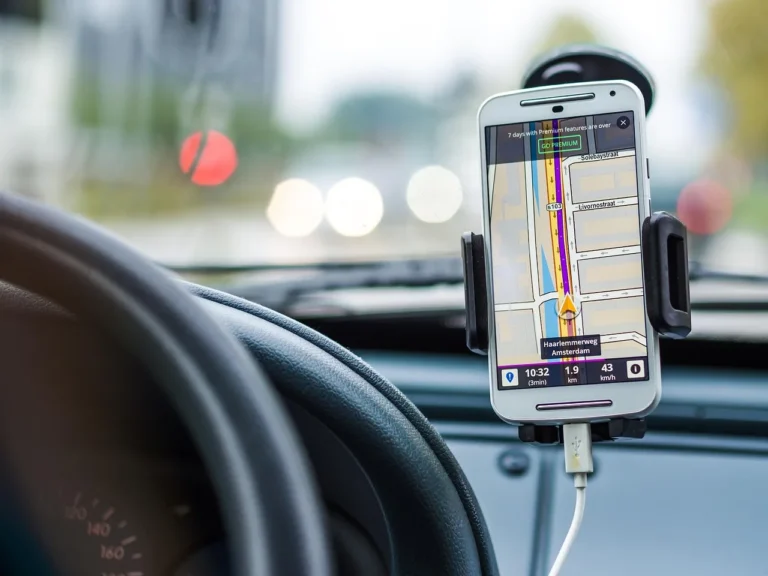
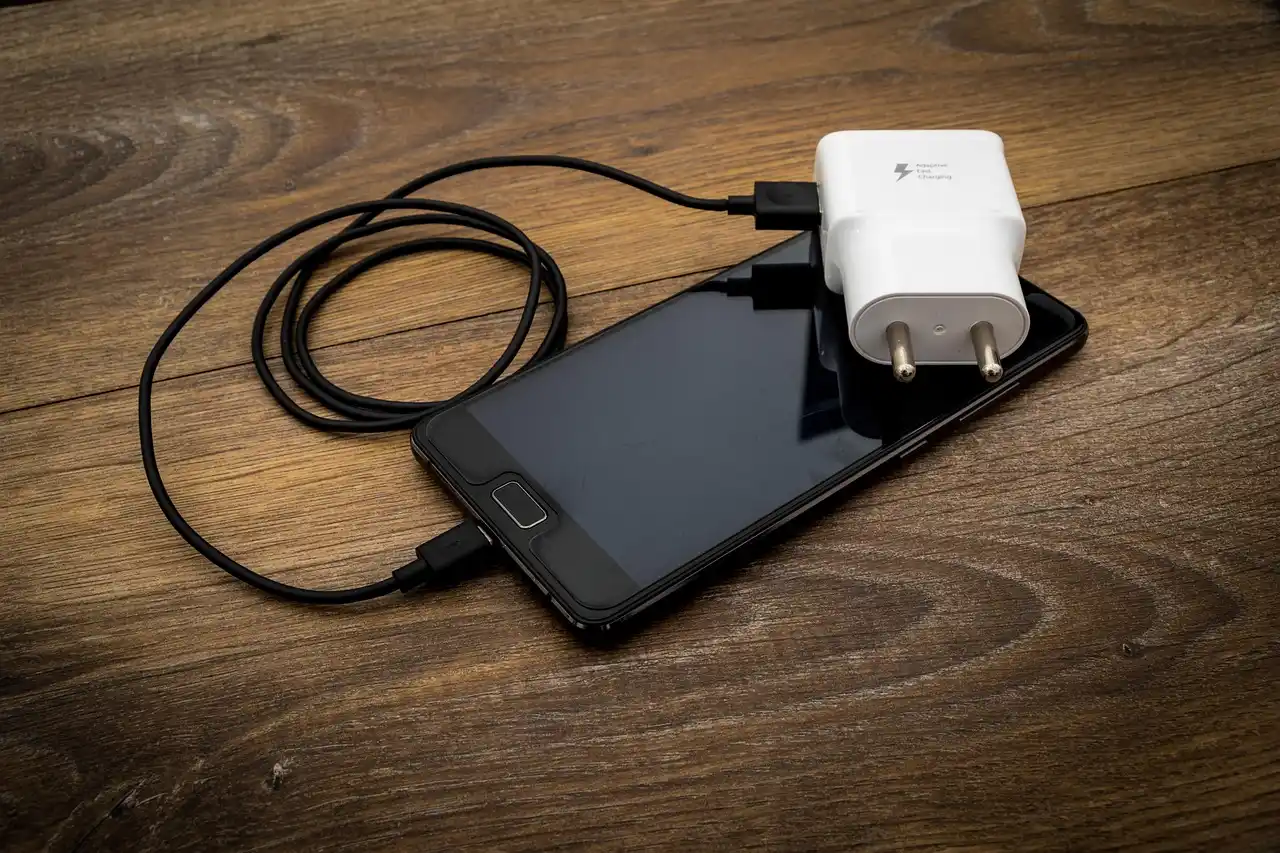
How Many Watts Does a Car Charger Need for Fast Charging?

For most phones, a 20W to 30W car charger is enough for fast charging; tablets usually need 45W or more, and many laptops need 60W to 100W, if the car port can supply it. Pick too little power and charging slows to a crawl, while a weak 12V socket can cap output before the charger reaches its rating. This guide breaks down wattage by device and explains the car-port limits that can override the charger spec.
What wattage counts as fast charging?
Wattage is the main sizing metric for charger output. More watts can mean faster charging, but only when the device, cable, and charging protocol all allow it. USB-C Power Delivery is commonly used by many phones, tablets, laptops, and handheld devices for higher-power charging, and it is often the usual route to more output in a car.
USB Type-C ports are the newer connector choice for higher-power charging. USB Type-A ports are still common on car chargers, but they are often limited to lower output and are commonly in the roughly 5W to 15W range. A charger can advertise high total wattage and still deliver less to one device if the port type or cable cannot negotiate more.
Car charger wattage decision table
| Device type | Recommended minimum car charger wattage | What speed to expect |
|---|---|---|
| Basic phone top-up | 10W to 15W | Slow but usable charging for keeping battery level steady on short drives. |
| True phone fast charging | 18W to 20W | Fast enough for many phones to recover meaningfully during a commute or after a low-battery alert. |
| Tablet charging | 30W to 45W | Solid charging for most tablets, with 45W giving more headroom if the tablet supports USB-C Power Delivery. |
| 45W laptop charging | 45W to 60W | Can keep some USB-C laptops topped up or charge them within a few hours if the charger, cable, and vehicle port all cooperate. |
| Multi-device use | 60W to 130W total | Enough for two or more devices, but output may split between ports and drop below the label on each port. |
| Vehicle port note: A cigarette lighter/accessory port can become the bottleneck if it shuts off with the ignition, has a low fuse limit, or cannot supply the charger’s peak draw. | ||
Is 18W enough for fast charging in a car?
Yes, 18W is enough for fast charging on many phones, especially if the phone supports USB-C Power Delivery or another fast-charge mode at that level. It is a real step up from the 10W to 15W range common on basic car USB ports, but it is still modest for tablets and laptops.
Basic phone top-up
If you only need to keep a phone from falling behind navigation, music, and hotspot use, 10W to 15W can be enough. EnergySage says most phone chargers are around 5W, so even a 10W to 15W car port can feel better than a weak home or office cube.
True phone fast charging
For a phone that supports fast charging, 18W to 20W is the practical floor. The same source says some faster phone chargers can use up to 20W, and that aligns with what many drivers want after a low-battery warning or a short stop. A 20W to 30W charger gives more breathing room.
When 18W falls short
18W starts to look small when the phone is doing heavy work, the cable is poor, or the charger is sharing output with another device. A phone may still charge, but the gain can be slow enough that battery percentage barely rises during a long drive with screen-on navigation.
Say your phone is at 12% and you plug into an 18W USB-C port while running maps and streaming audio. The phone may charge, but the screen and radio load can eat into the gain. A 20W to 30W charger gives more margin for that same drive.
Can a car charger fast charge a tablet or laptop?
Yes, but only if the charger, cable, and vehicle port all support the needed power. Tablets often need 30W to 45W for a useful charge rate, and some laptops can charge over USB-C at 45W or higher. That is where a high-power USB-C car charger becomes more than a phone accessory.
Tablet charging
Many tablets charge best from a USB-C port, and 30W to 45W is a sensible target. Below that, charging may continue but feel sluggish, especially if the tablet is in use. A charger with USB-C Power Delivery is the safer pick because it is built for negotiated power levels rather than simple low-output charging.
45W laptop charging
Some laptops can charge over USB-C at 45W, which is enough for certain light models and for keeping battery level from dropping during a drive. The article’s example class includes an M1 MacBook Air charging over USB-C at up to 45W, and that can fully recharge within a few hours when the rest of the setup allows it.
Shared output on multi-port chargers
A multi-port charger can list a large total output and still split power between ports. A high-power class example is a 130W total output charger with two USB-C ports and one USB-A port, where one USB-C port can output 100W, the second USB-C port can output 30W, and the USB-A connector can output 22.5W. That total does not mean every port gets max power at once.
Picture a driver plugging in a laptop and two phones at the same time. The charger may still work well, but one device can be capped because the unit divides power across ports. That is why total wattage and per-port wattage both matter.
Why the car port can cap charging speed
The cigarette lighter or accessory port is the vehicle power source for most plug-in car chargers. It may shut off when the car is turned off, and it may have a fuse limit that keeps the charger from drawing all the power printed on the box. A charger can be rated for more than the socket can safely supply.
Accessory port power limits
Regular car USB ports are often only 10W to 15W. That means a charger may advertise more, but the vehicle side can still limit what reaches the device. If the charger depends on the 12V socket, the socket rating matters as much as the charger label.
Ignition off behavior
Some vehicles cut power to the accessory port when the ignition is off. That is normal behavior, but it matters if you plan to charge a phone while parked. It also means a plugged-in charger is not always a standby power source when the car is off.
Fuse and heat limits
If a charger draws too much current, the vehicle fuse may open. Heat can also become a problem on long drives if the charger is pushed near its upper limit or if two high-draw devices are sharing one compact unit. A charger that feels warm is common; one that becomes hot enough to be uncomfortable is a warning sign.
What to look for in a multi-port charger
Start with total output, then check the output of each port. A high total number is useful only if the charger can send enough power to the device you care about. USB-C ports matter most for fast charging phones, tablets, and laptops, while USB-A remains useful for older cables and lower-power accessories.
-
Check the device’s wattage need.
Match the charger to the device class first. A phone can often do well at 18W to 30W, while a tablet or USB-C laptop may need 45W or more. -
Check the port type.
Choose USB-C if you want USB-C Power Delivery. USB-A can still charge phones and accessories, but it is usually the weaker choice for higher power. -
Check shared output rules.
Read whether the charger divides output when more than one port is active. A 130W total charger may not deliver 130W to a single port if another device is connected. -
Check the cable rating.
Use a cable that can handle the current and power level you want. A weak cable can block the negotiated wattage even when the charger and device support more. -
Check the vehicle socket.
Make sure the accessory port can supply the charger’s draw without shutting off or tripping a fuse. The car side can cap the result before the charger reaches its printed maximum.
A common first-timer mistake is buying a 100W car charger for a phone and assuming the phone will always take 100W. It will not. The phone decides what it accepts, the cable must support it, and the vehicle port still has to feed the charger.
Frequently asked questions
How many watts does a car charger need for fast charging?
For many phones, about 20W to 30W is a practical target for fast charging in a car. Tablets usually need 45W or more, and many laptops need 60W to 100W. If the vehicle accessory port cannot supply enough power, the charger will not reach its label rating.
What wattage car charger do I need for a phone?
A roughly 18W to 20W USB-C charger is enough for many phones, and about 20W to 30W gives more room for navigation, streaming, and battery recovery at the same time. Basic 10W to 15W ports still charge a phone, but they are better for topping up than for true fast charging.
Can a car charger fast charge a laptop or tablet?
Yes, if the charger supports USB-C Power Delivery and the device accepts that level. Tablets often want 30W to 45W, while some laptops can charge at 45W or higher. A laptop may fully recharge within a few hours if the charger, cable, and car socket all cooperate.
How many watts can a cigarette lighter car charger provide?
That depends on the car socket and the charger design. Many basic car USB ports are around 10W to 15W, while higher-end plug-in chargers can be much stronger. The vehicle fuse, socket wiring, and ignition behavior can limit the real output before the charger reaches its printed wattage.
Will a higher watt car charger charge my phone faster?
Only up to the limit set by the phone and cable. A higher watt charger can help if the phone supports the extra power, but a 100W charger will not force a phone to take 100W. The phone negotiates the amount it wants, usually through USB-C Power Delivery.
Do fast car chargers drain the battery when the car is off?
Not usually if the accessory port shuts off with the ignition, because the charger gets no power. Some vehicles keep the socket live for a period or in accessory mode, though, so a plugged-in charger can draw from the battery if the car is off and the circuit stays active.
Can a car charger blow a fuse?
Yes, if the charger or the combined load on the socket draws more current than the circuit is designed for. That risk rises with high-wattage chargers, multiple devices, or poor wiring. If the charger keeps shutting off or the fuse fails, the socket is likely being pushed too hard.